Bloodstained: Ritual of the Night is the best starting point if you want another game in the tradition of Castlevania: Symphony of the Night: it combines a gothic fantasy setting with castle exploration, weapons, spells, upgrades, and a shard-based progression system. Choose Salt and Sanctuary instead for harsher combat and deeper character-building, Blasphemous or Blasphemous 2 for oppressive religious horror, and Hollow Knight when interconnected exploration and precise combat matter more than equipment and leveling.
The right choice depends on which part of Castlevania you want to preserve. Some players want a huge castle with hidden routes and ability-gated discoveries. Others want equipment choices, spells, crafting, and build experimentation. The recommendations below separate those priorities instead of treating every 2D action game as interchangeable.
As an Amazon Associate I earn from qualifying purchases.
Quick picks: which Castlevania-like game fits you?
| Game | Best for | Exploration | RPG progression | Combat emphasis | Horror tone |
|---|---|---|---|---|---|
| Bloodstained: Ritual of the Night | The closest modern substitute for Symphony of the Night | Large castle, hidden paths, backtracking, and upgrade-driven discovery | Weapons, spells, upgrades, and shards | Flexible action combat with a broad weapon selection | Gothic fantasy |
| Salt and Sanctuary | Players who want the deepest RPG systems and punishing fights | Cursed-world exploration with secrets and route choices | More than 600 weapons, armor pieces, spells, and items to discover, craft, and upgrade | Fast, brutal, complex, and demanding | Dark, hostile, and grim |
| Blasphemous | Oppressive religious gothic horror | Dangerous, secret-filled 2D world | Progression supports combat but is less equipment-focused than the top two picks | Demanding fights with a severe tone | Religious gothic horror |
| Blasphemous 2 | A newer entry point for the same oppressive horror appeal | Exploration built around discovering routes and overcoming barriers | Action-focused progression with room for different approaches | Demanding, timing-focused combat | Religious gothic horror |
| Hollow Knight | Exploration, secrets, and precise combat above all else | Highly interconnected world with hidden areas and meaningful backtracking | Less centered on Castlevania-style equipment and leveling | Precise, responsive combat | Atmospheric rather than traditionally gothic |
These are not five versions of the same formula. Bloodstained is the direct match for castle-based action RPG progression. Salt and Sanctuary shifts the balance toward RPG depth and punishment. Blasphemous games make the mood more oppressive and religious. Hollow Knight treats exploration and combat precision as the main attraction.
What makes a game feel like Castlevania?
“Games like Castlevania” can mean several different things. A useful comparison starts with the elements players usually miss when they finish a classic castle adventure.
#1 Best Overall

- Classics that defined the Castlevania series.
- Includes the "History of Castlevania - Book of the Crescent Moon" ebook.
- This includes eight classic Castlevania games preserved on one disc with a full-color manual.
- The Castlevania Anniversary Collection on physical disc for the PlayStation 4. Also works on PlayStation 5. Region-free.
Interconnected exploration
The strongest matches present a world that folds back on itself. A locked route, unreachable ledge, or suspicious passage should become meaningful when a later ability or discovery opens it. This creates the distinctive rhythm of exploring, finding a barrier, pushing onward, and eventually returning with a new way through.
A large map alone is not enough. The important qualities are hidden paths, backtracking that reveals something new, and a sense that separate rooms or regions belong to one connected place. Bloodstained emphasizes castle exploration, while Hollow Knight is the exploration-first choice for players who want an especially interconnected world.
Action combat with room to improve
Castlevania-style games need combat that remains readable while exploration becomes more complicated. The difference between the recommendations is how much the fighting asks from you. Hollow Knight favors precise execution. Salt and Sanctuary is heavier and more punishing. Blasphemous and Blasphemous 2 make demanding fights part of their oppressive atmosphere. Bloodstained gives you more ways to adapt through weapons, spells, upgrades, and shards.
RPG progression rather than a simple power curve
RPG progression means more than making your character numerically stronger. Equipment choices, abilities, spells, crafting, and build decisions should affect how you approach enemies and unexplored areas. This is where the games separate most clearly.
Bloodstained is the closest match if you remember Castlevania as an action RPG with a growing arsenal. Salt and Sanctuary goes further into build variety and item systems. Hollow Knight is a weaker fit if your favorite part was collecting weapons and armor, even though its exploration and combat are excellent.
Gothic horror with a distinct identity
Classic gothic fantasy is only one possible tone. Bloodstained stays closest to that tradition. Blasphemous and Blasphemous 2 use religious imagery and a more oppressive form of horror. Hollow Knight is atmospheric and unsettling, but it is not a straightforward gothic-castle substitute. Salt and Sanctuary is grim and hostile, with a cursed realm that supports its severe combat style.
Bloodstained: Ritual of the Night — the closest modern Castlevania match
Why it is the first recommendation
Bloodstained: Ritual of the Night is the clearest choice for readers who mean “another Symphony of the Night.” It is described as a gothic fantasy action RPG built around exploration, weapons, spells, upgrades, and a large castle. That combination directly answers the request for massive spaces, hidden routes, and RPG progression.
Free tools Windows power users keep installed
One-click scans. No signup required.
It does not merely borrow a dark visual style. Its appeal comes from putting exploration and character development in the same loop: you search the castle, find tools or resources that expand your options, and use a growing arsenal to handle areas that were previously dangerous or inaccessible.
Exploration and the castle structure
The castle is the central reason to choose Bloodstained. Players who enjoy mapping rooms, checking suspicious dead ends, and revisiting earlier areas will find the most familiar Castlevania-style structure here. The world is designed to reward curiosity rather than asking you to move through a strictly linear sequence.
That makes it a particularly good fit for the phrase “exploration but RPG elements.” The exploration is not separate from progression: discovering a new route can lead to a weapon, spell, upgrade, or shard that changes what your character can do.
Weapons, spells, upgrades, and shards
The game’s progression is broad enough to support different play preferences. Weapons give you a reason to experiment with how you attack. Spells add another layer of distance and utility. Upgrades make continued exploration feel productive, while the shard system gives progression its own identity rather than simply reproducing an older equipment list.
What’s actually slowing this PC down?
Pick the symptom - the matching free tool is one click away.
Rank #2
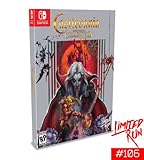
- Classic edition includes Konami-style silver box, physical game and soundtrack CD, 18 by 24" poster, and a NES-style dust sleeve to protect the game.
- Games Included in collection: Castlevania, Castlevania II Simon's Quest, Castlevania III Dracula's Curse, Super Castlevania IV, Castlevania The Adventure, Castlevania II Belmont's Revenge, Castlevania Bloodlines, and Kid Dracula.
- Box features all new art from legendary Konami cover artist Tom duBois.
This is the recommendation to make when the reader wants the full package rather than one exceptional feature. It has the gothic setting, castle exploration, action combat, and RPG systems in the same game.
Who should choose it
- Players who want the nearest overall replacement for a Symphony-style Castlevania.
- Players who value a large castle and hidden routes as much as combat.
- Players who want weapons, spells, upgrades, and a shard system instead of a purely skill-based progression model.
- Players who prefer gothic fantasy to religious horror or a less traditional setting.
Choose another game if your priority is deliberately harsher combat, a much deeper item-and-build system, or exploration that clearly outweighs equipment progression.
Salt and Sanctuary — the choice for heavy RPG systems and punishing combat
Why it stands apart
Salt and Sanctuary is the strongest alternative when “like Castlevania” means a 2D action RPG with serious character-building rather than a specific castle aesthetic. Ska Studios describes it as combining “fast, brutal, and complex 2D combat with richly developed RPG mechanics.” That balance explains its place on this list: the game asks more from your combat decisions while giving you a substantial set of progression choices.
A large item and build vocabulary
The developer says players can “discover, craft, and upgrade over 600 weapons, armor pieces, spells, and items.” The figure is a combined count across those categories, not a promise that every player will use hundreds of distinct tools. It does establish the scale of the progression system and why this is the best pick for readers who want to tinker with builds.
Do these 3 things before closing this tab:
1Fix the driver behind crashes, sound loss and screen glitches2Clear out junk files and repair common Windows errors3Scan for outdated or missing drivers - takes under a minuteWeapons, armor, spells, and items give the game a broader RPG vocabulary than a straightforward action platformer. Crafting and upgrading also make exploration consequential: finding something new is not only a momentary reward, but a possible part of a longer-term build.
Combat and difficulty
The combat is explicitly fast, brutal, and complex. Compared with the more immediately Castlevania-like feel of Bloodstained, Salt and Sanctuary is the recommendation for players who want mistakes to matter and fights to demand deliberate decisions. Its punishment is a feature for the intended audience, not an incidental obstacle.
That also makes it a less universal recommendation. If you want relaxed castle touring with flexible weapons and spells, begin with Bloodstained. If you want a demanding 2D action RPG in which build choices and combat discipline are equally important, choose Salt and Sanctuary.
Exploration in a cursed realm
The setting is a cursed realm rather than a direct gothic-castle recreation. Exploration still matters because the world supports discovery and progression, but the tone is harsher and more hostile. The result is a game that feels spiritually related to dark Castlevania while taking a more severe route through RPG systems and combat.
Crashes, No Sound, or Screen Glitches?
Random freezes, missing sound and display glitches usually trace back to one bad driver. Find and replace yours safely.Free scan · under a minuteWindows Errors? Fix Them Before They Spread
Repair common Windows errors and clear accumulated junk for a smoother, more stable PC - no reinstall needed.Free scan · no reinstallWho should choose it
- Players who want deeper RPG mechanics than a straightforward action game provides.
- Players who enjoy discovering, crafting, and upgrading a very large pool of equipment, spells, and items.
- Players who prefer brutal, complex combat over a lighter action-RPG rhythm.
- Players who are comfortable with a cursed, hostile setting instead of a traditional gothic castle.
Blasphemous and Blasphemous 2 — oppressive religious gothic horror
The reason to choose this pair
Blasphemous and Blasphemous 2 are the recommendations for readers whose main requirement is an oppressive religious form of gothic horror. Their appeal is not simply that they are dark. They use a severe, unsettling atmosphere as a central part of the experience, then pair it with demanding fights and exploration through a dangerous 2D world.
How they differ from Bloodstained
Bloodstained is the better answer to “I want another gothic fantasy action RPG with a castle and a large equipment selection.” The Blasphemous games answer a different question: “I want the world itself to feel oppressive, ritualistic, and disturbing while I fight through it.”
That tonal distinction matters. A reader who wants classic gothic fantasy may find Bloodstained more immediately familiar. A reader who wants religious imagery, a harsher mood, and demanding encounters should put Blasphemous or Blasphemous 2 at the top of the list.
Rank #3
- 819976026033
- 1186668
Exploration and combat fit
Both games belong in the exploration-focused action category, but their strongest identity is the relationship between their world and their combat. Progress requires persistence, attention, and willingness to learn dangerous encounters. They are suitable for players who want discovery to feel tense rather than purely adventurous.
Quick wins for a faster PC:
Scan for outdated or missing drivers - takes under a minuteDriver Scan →Repair Windows errors before they cause bigger problemsFix Now →They are less suitable if your favorite Castlevania feature is extensive equipment collecting and build experimentation. In that case, Bloodstained or Salt and Sanctuary is a closer match.
Which one should you start with?
Use the first Blasphemous as the obvious choice when you want the original presentation of its religious gothic-horror identity. Choose Blasphemous 2 when you specifically want the newer entry in that same broad style. The available comparison evidence supports treating them together for tone and combat rather than claiming a precise mechanical ranking between the two.
Independent reader supportYour contribution helps us test, update, and keep practical guides available for everyone.Hollow Knight — the exploration-first alternative
Why it belongs on a Castlevania list
Hollow Knight is the best recommendation when interconnected exploration, secrets, and precise combat matter more than Castlevania-style equipment and leveling. It does not aim to be a traditional gothic castle RPG, but it captures the pleasure of learning a world’s layout and returning to places that were previously out of reach.
Exploration over inventory
The game’s defining strength is its connected world. Hidden areas and backtracking are not side activities; they are central to understanding the map. For players who care most about discovering how regions connect, this can be a better fit than a game with a larger weapon list but a less compelling world structure.
Recommended Free Tools
The trade-off is clear. If your ideal sequel to Castlevania includes frequent equipment upgrades, weapon variety, spells, and leveling choices, Hollow Knight is not the closest match. Its progression is better understood through exploration and mastery than through collecting a large RPG inventory.
Precision and atmosphere
Combat is precise, making timing and control more important than simply accumulating stronger gear. The atmosphere is rich and unsettling, although it is less traditionally gothic than Bloodstained and less explicitly religious than Blasphemous.
Who should choose it
- Players who want the most exploration-driven recommendation.
- Players who enjoy secrets, interconnected areas, and meaningful backtracking.
- Players who prefer precise combat to heavy equipment systems.
- Players who want a powerful atmosphere without requiring a conventional gothic-castle setting.
Choose by the feature you miss most
| If you miss… | Start with… | Why |
|---|---|---|
| The overall Symphony of the Night formula | Bloodstained: Ritual of the Night | It combines gothic fantasy, castle exploration, weapons, spells, upgrades, and shards. |
| Complex builds and a huge item pool | Salt and Sanctuary | Its systems include more than 600 weapons, armor pieces, spells, and items to discover, craft, and upgrade. |
| A punishing 2D combat challenge | Salt and Sanctuary | Its combat is described as fast, brutal, and complex. |
| Religious gothic horror | Blasphemous or Blasphemous 2 | Both are positioned around oppressive religious imagery, demanding fights, and a severe atmosphere. |
| Exploration and secrets above all else | Hollow Knight | Its interconnected world and precise combat take priority over equipment-heavy RPG progression. |
| A gothic-fantasy rather than religious-horror mood | Bloodstained: Ritual of the Night | Its identity is closest to a classic gothic action RPG. |
A practical decision path
- Start with your desired tone. Pick Bloodstained for gothic fantasy, Blasphemous for religious horror, or Hollow Knight if an atmospheric but less traditionally gothic world is acceptable.
- Decide how much RPG complexity you want. Choose Salt and Sanctuary for the heaviest emphasis on equipment, crafting, spells, and build experimentation. Choose Bloodstained for a broader but more directly Castlevania-like mix.
- Decide how much punishment you enjoy. Precise combat points toward Hollow Knight; brutal, demanding combat points toward Salt and Sanctuary or the Blasphemous games.
- Decide whether the map or the inventory is your main reward. If uncovering connections and secrets is the point, choose Hollow Knight. If finding new weapons, spells, upgrades, and shards is the point, choose Bloodstained.
- Check the current edition and platform listing before buying. Availability, physical editions, prices, and retailer stock can change, so verify those details for your region at the time of purchase.
Common mismatches to avoid
Choosing Hollow Knight for its darkness when you really want RPG equipment
A dark atmosphere does not automatically make a game a Castlevania-style RPG. Hollow Knight is the exploration-first option, but it is not the best choice for a reader who mainly wants a growing collection of weapons, armor, spells, and upgrade materials.
Choosing Blasphemous for a classic castle adventure
Blasphemous and Blasphemous 2 are better understood as religious gothic horror with demanding combat. Their mood is more oppressive and ritualistic than the classic gothic-fantasy direction represented by Bloodstained.
Choosing Salt and Sanctuary when you want a forgiving tour
Salt and Sanctuary is built around fast, brutal, complex combat and substantial RPG mechanics. Its appeal depends on accepting that difficulty and engaging with its systems. It is not the relaxed option in this group.
Choosing Bloodstained when you only want pure exploration
Bloodstained is the most complete all-round match, but its appeal comes from combining exploration with RPG progression. If equipment and build choices are secondary to mapping a connected world and mastering precise combat, Hollow Knight may fit better.
Final recommendation by player type
- The Symphony of the Night fan: Start with Bloodstained: Ritual of the Night.
- The build-focused RPG player: Choose Salt and Sanctuary.
- The gothic-horror devotee: Choose Blasphemous or Blasphemous 2.
- The map-completion and secrets player: Choose Hollow Knight.
- The player who wants the safest all-round recommendation: Choose Bloodstained, because it covers the most requested features at once.
For most readers searching for “games like Castlevania” with exploration and RPG progression, Bloodstained: Ritual of the Night is the correct first stop. Move to Salt and Sanctuary for deeper systems and harsher combat, to Blasphemous for oppressive religious horror, or to Hollow Knight when discovering an interconnected world matters more than building an equipment loadout.
Quick Recap
Product prices and availability are accurate as of the date/time indicated and are subject to change. Any price and availability information displayed on Amazon at the time of purchase will apply.

